
Angger, my child…
Some people read time as a straight road: today, tomorrow, next month, next year. But in Javanese rasa, time can also be read as a circle. It turns, returns, carries signs, and invites human beings to arrange conduct more carefully. One of the old ways to read that circle is called pawukon.
Ky Tutur Summary
- Pawukon is a Javanese time cycle made of 30 wuku, with each wuku lasting seven days.
- One full pawukon cycle lasts 210 days, then returns again to the first wuku.
- Pawukon is best read as cultural reflection and a map of conduct, not as a fixed prophecy or verdict of fate.
- In modern life, pawukon can help people understand rhythm, pause, awareness, and the need to arrange steps with more clarity.
Ky Tutur Note: This article discusses pawukon as Javanese cultural literacy and reflective guidance. It is not a fixed prediction, not a guarantee of auspicious results, not a final label on personality, and not a replacement for common sense. Use it as a cultural mirror for arranging conduct, not as a tool for frightening yourself or others.
Pawukon is one of the time-reading systems in Javanese tradition. It uses a cycle of 30 wuku. Each wuku lasts seven days, so one full cycle contains 210 days. After that, the cycle returns to the beginning and starts again.
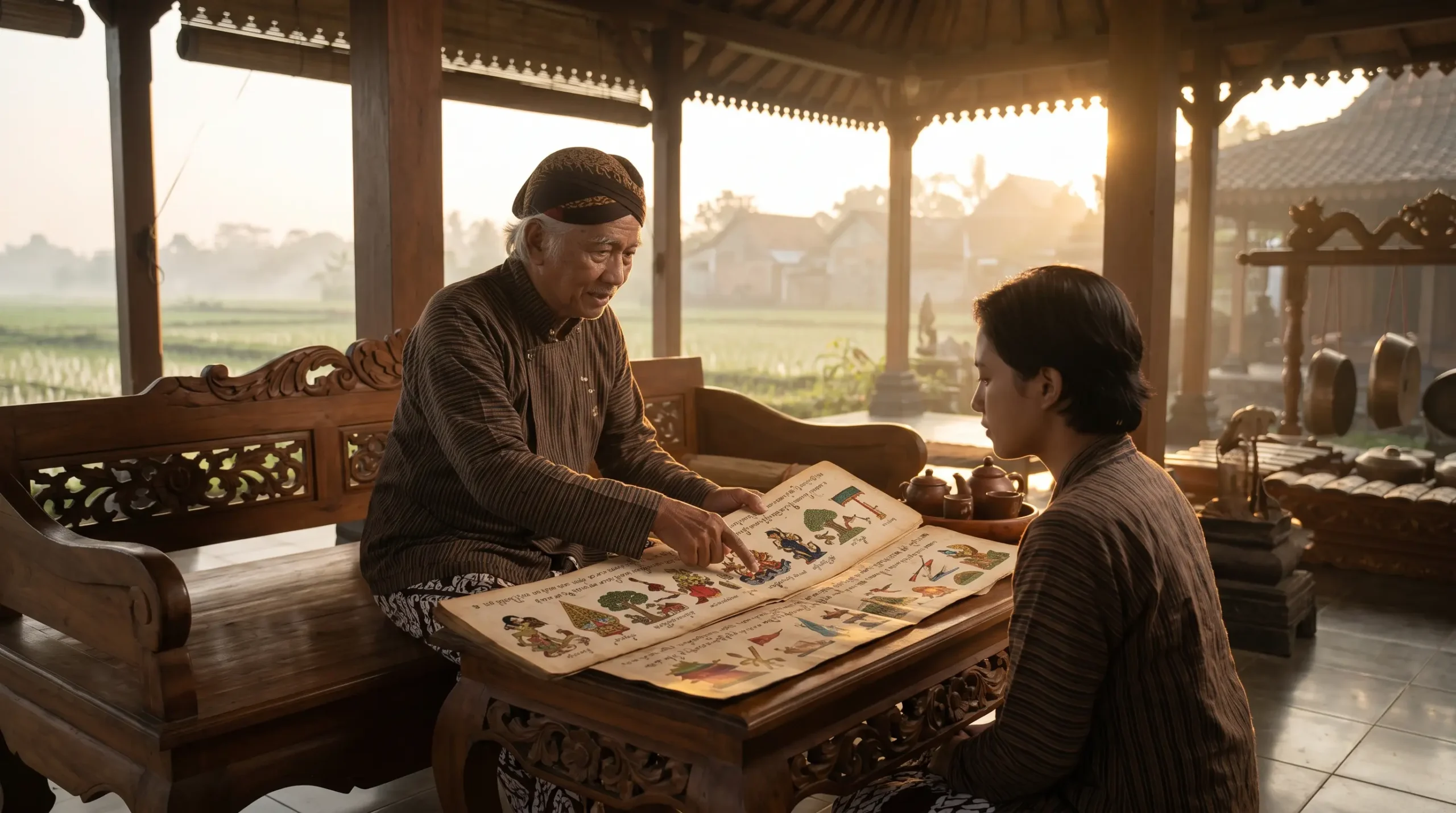
In older understanding, wuku is not only a numbered week. It comes with names, symbols, stories, and cultural reminders that help people read the rhythm of life. Yet, my child, it must be read carefully. Pawukon should not become a hammer that strikes human fate. It is better understood as a cultural mirror: something that helps people ask, reflect, and arrange conduct.
JavaSense reads pawukon as part of the wider Javanese calendar heritage. Inside it, there is history, symbol, memory, and inner guidance. But all of that should remain accompanied by clear reason, responsibility, and the courage not to turn cultural symbols into absolute claims.
What Is Pawukon?
In simple terms, pawukon is a weekly cycle system in Javanese tradition made of 30 wuku. Each wuku is a seven-day unit. When 30 wuku are completed, the cycle reaches 210 days.
Unlike the Gregorian calendar that many people use daily, pawukon does not only read time as a sequence of dates. It reads time as a repeating rhythm. Each wuku has a name and symbolic association that, in tradition, may be used to reflect on atmosphere, conduct, caution, and timing.
But this point must be clear: tendency is not certainty. Symbol is not command. If a wuku is associated with caution, it does not mean people must be afraid. It means there is an invitation to arrange the step more consciously.
Pawukon becomes useful when it helps people become more aware. It becomes harmful when it is used to lock a person’s life, frighten a family, or judge another human being through one label.
The 30 Wuku and the 210-Day Cycle
Pawukon consists of 30 wuku. Each wuku runs for seven days. If counted simply, 30 multiplied by 7 gives 210 days. After the final wuku ends, the cycle returns to the first wuku.
The 30 wuku in Javanese tradition are commonly known as: Sinta, Landep, Wukir, Kurantil, Tolu, Gumbreg, Warigalit, Warigagung, Julungwangi, Sungsang, Galungan, Kuningan, Langkir, Mandhasiya, Julungpujud, Pahang, Kuruwelut, Marakeh, Tambir, Medangkungan, Maktal, Wuye, Manahil, Prangbakat, Bala, Wugu, Wayang, Kulawu, Dukut, and Watugunung.
These names are not merely memorized labels. Each can become a doorway into how Javanese tradition remembers time. Some wuku are associated with beginning, learning, or preparation. Others may be read as phases of warning, completion, reflection, or reordering.
If the Javanese calendar helps people read dates, pasaran, and traditional timing, pawukon gives another layer: the rhythm of wuku within a longer 210-day cycle.
Pawukon Is Not a Fixed Prophecy
The biggest misunderstanding about pawukon appears when it is treated as a fixed prophecy. Someone reads a birth wuku and then feels that their life must be this way or that way. This makes culture become a burden.
Pawukon does not need to be read as a final decision. It is better read like an old map. A map helps people see terrain, but it does not walk in place of the feet. If a map shows a hill, people do not need to panic. They simply prepare breath, supplies, and a more ordered step.
This is also how JavaSense reads weton, wuku, and the Javanese calendar: as cultural mirrors, not chains around the future. A reading may help someone become more careful, but it should not remove human responsibility.
A person is always wider than a traditional label. Family, education, environment, choices, habits, trauma, hope, knowledge, and daily conduct all shape human life. Pawukon can be a small mirror, but it should never become the whole sky.
Wuku as Symbolic Cultural Language
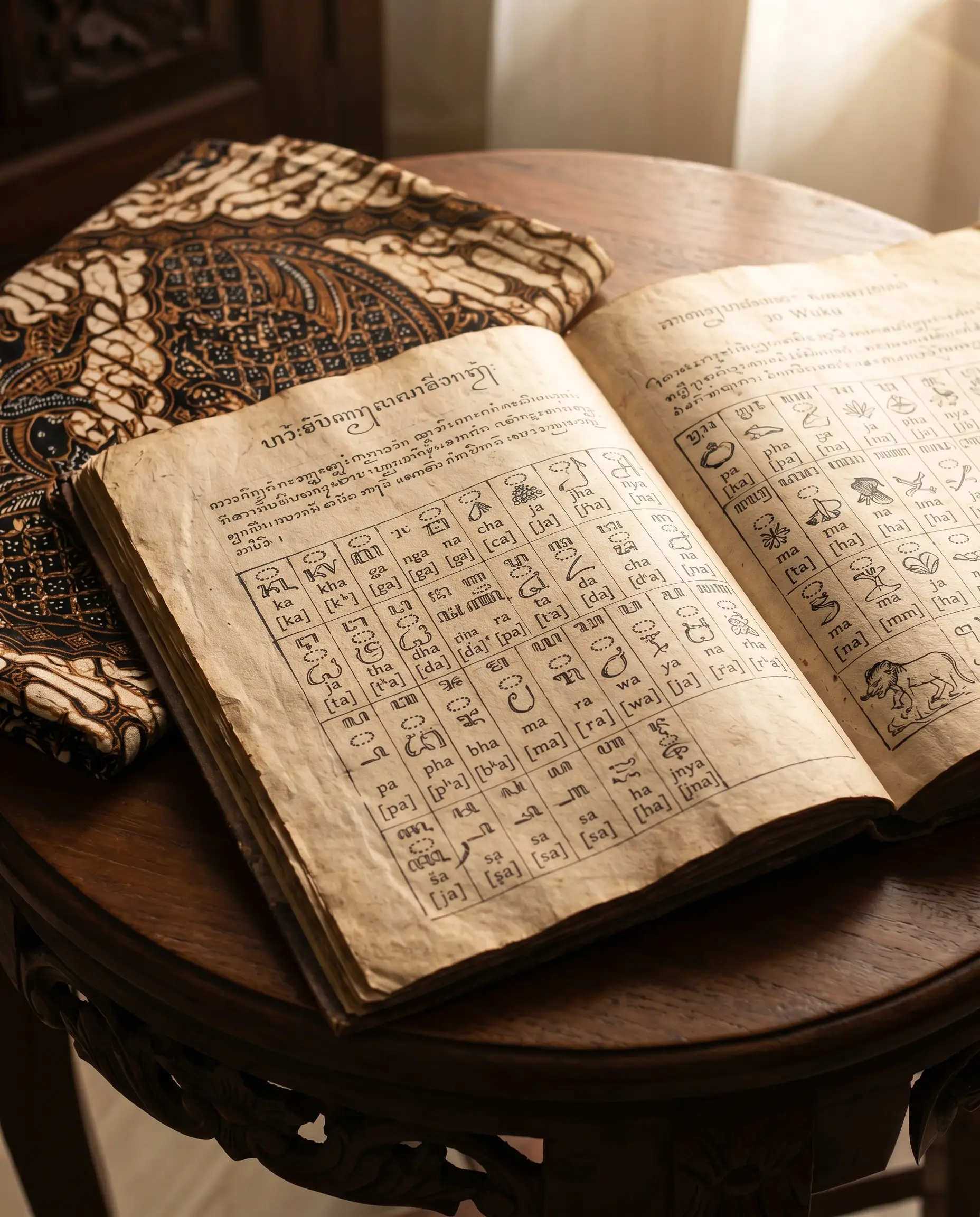
In pawukon, wuku often comes with symbols. These symbols may include figures, places, plants, animals, directions, or visual images inherited through tradition. Such symbols are not empty decoration, but they should not be read too literally either.
Symbol works like inner language. It helps human beings remember messages that are not always easy to explain in flat sentences. A wuku may remind people of firmness, caution, flexibility, responsibility, or completion. But that message still needs to be translated into daily conduct.
If symbols are read without common sense, people may fall into fear. If symbols are thrown away completely, people may lose the beauty of cultural language. The middle path is to read with respect and clarity: honoring heritage while being careful toward claims that become too absolute.
This is why pawukon is healthier when treated as pitutur. It does not force. It reminds. It does not lock. It helps people pause, look inward, and ask what kind of conduct is needed.
The Function of Pawukon in Javanese Tradition
Culturally, pawukon has several functions. First, it becomes a way of remembering time. Before people became used to digital calendars, traditional cycles helped mark social, family, ritual, and agricultural rhythms.
Second, pawukon becomes a language of guidance. Through wuku, people learn that every phase has its own rasa. There are times to be braver, times to be more careful, times to reorder unfinished matters, and times to close something with more dignity.
Third, pawukon becomes a space for reflection. When someone knows a certain wuku, they may ask: what conduct should I guard? What part of myself needs to be arranged? Am I moving with clarity, or only being pushed by fear?
This reflective function is important. Without reflection, pawukon becomes only a list of names. With reflection, it becomes a cultural way to read rhythm and responsibility.
Pawukon, Weton, and the Javanese Calendar
Pawukon is often discussed together with weton and the Javanese calendar. They are close, but they are not the same.
Weton usually refers to the combination of a seven-day weekday and a five-day pasaran. The Javanese calendar helps read dates, months, pasaran, and traditional time layers. Pawukon reads the cycle of 30 wuku.
If you want to calculate a birth weton, you can use the JavaSense weton calculator. If you want to read date layers, pasaran, and Javanese timing more broadly, open the Javanese calendar. If your interest reaches written heritage, you may also explore the Javanese script tool.
All of these should be read as cultural literacy. They may be used for reflection, but not as the only basis for major life decisions. Important choices still need facts, communication, readiness, prayer, practical responsibility, and wise consideration.
How to Find Your Birth Wuku
To find a birth wuku, a Gregorian birth date is usually converted into the Javanese calendar and pawukon cycle. In modern life, this process can be helped by an app or a traditional calendar calculator.
But knowing the birth wuku is only the beginning. The more important matter is how to read it. Do not stop at the question, “What is my wuku?” Continue with a more mature question: “What value can I learn? Which part of myself needs arrangement? How can I turn this knowledge into conduct?”
This is the difference between curiosity and laku. Curiosity only wants a label. Laku asks what the label teaches and how it can make life more careful.
If someone reads their wuku only to feel special, afraid, or trapped, the reading has not yet become wise. If the reading helps them become more aware, more humble, and more responsible, then pawukon begins to breathe as culture.
Wuku Character as Tendency, Not a Life Label
In many traditional discussions, wuku is associated with character or tendency. This is the area where readers need to be careful. Wuku character should not be used to label oneself or others absolutely.
If a wuku is associated with courage, it does not mean everyone connected with that wuku is always brave. If a wuku is associated with challenge, it does not mean life will certainly be difficult. Character in cultural reading is safer when understood as material for self-reflection.
My child, human beings are always more spacious than labels. A person can grow. A person can learn. A person can heal. A person can make choices that refine their direction.
Use wuku character as a small mirror, not as a stamp placed on the forehead. It should help human beings look inward, not give them a reason to judge others quickly.
Pawukon and Auspicious Days
Some people know pawukon through the reading of auspicious days. In tradition, pawukon may be one of the considerations when choosing a time for marriage, moving house, beginning an activity, or holding a family event.
But this must be read clearly. An auspicious day should not be understood as a guarantee of success. A good day is healthier when read as a traditional way to arrange readiness, caution, family harmony, and shared intention.
If a day is considered favorable, human readiness is still needed. If a day is considered less suitable, it does not mean life will certainly go wrong.
For important plans such as marriage, culture may become one layer of consideration. But the decision still needs family communication, mental readiness, economic condition, health, legal clarity, and practical reality. Tradition becomes a companion, not a replacement for responsibility.
Pawukon in Daily Weton Readings
Pawukon also becomes useful as an additional layer in daily weton readings. A daily reading may include the weekday, pasaran, and wuku. When these layers are read together, the reflection becomes richer.
For example, a date may be read through the meeting of a weekday, a pasaran, and a wuku. The weekday may carry one symbolic tone, the pasaran another, and the wuku adds a weekly-cycle layer. This does not make the reading absolute. It simply gives more cultural language for reflection.
The important rule remains the same: daily readings should not frighten people. They should not say that life is fixed because of one day. A good reading helps the reader ask: what should I guard today, what should I soften, what step should I arrange?
This is the direction JavaSense keeps: weton and pawukon as cultural mirrors for daily conduct, not tools for creating fear.
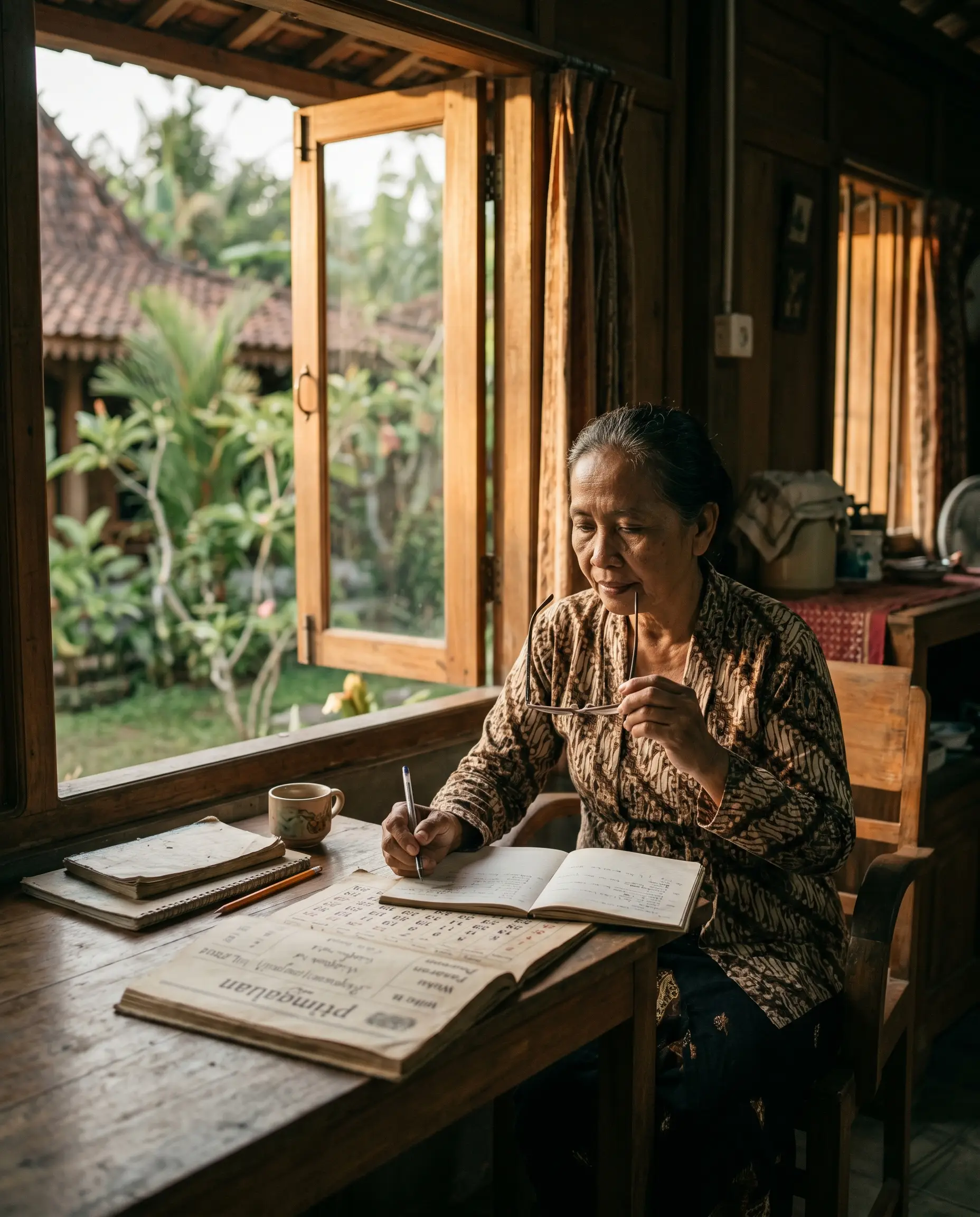
7 Ways to Read Pawukon Clearly
To keep pawukon from becoming fear or empty slogan, it needs to be read with healthy conduct. Here are seven clear ways to approach it.
1. Begin with the Desire to Learn
Do not begin from fear. Begin from the intention to understand heritage. If the heart starts in fear, every symbol may look like a threat. If the heart starts in learning, symbols become doors of knowledge.
2. Separate Symbol from Certainty
A symbol gives direction of rasa, not certainty of life. If a wuku carries a warning, read it as an invitation to be careful. If it carries hope, read it as an invitation to be grateful and responsible.
3. Do Not Label People
Do not say, “They must be this way because of their wuku.” Such speech narrows human beings. Use pawukon for self-reflection, not for judging others.
4. Connect It with Real Conduct
Cultural knowledge becomes alive when it descends into action. If a wuku reminds you of caution, be careful in speech and decisions. If it reminds you of reordering, tidy up matters that have been left hanging.
5. Keep Using Common Sense
For major decisions, do not use pawukon alone. Check real conditions, data, readiness, health, legal matters, cost, and communication with people involved.
6. Care for Eling lan Waspada
Pawukon is healthiest when read with eling lan waspada. Eling keeps people from forgetting themselves. Waspada keeps them from moving carelessly. These two attitudes keep tradition grounded.
7. Make It a Mirror, Not a Chain
A mirror helps people see themselves. A chain binds the step. Pawukon should become a mirror: helping people become aware and grow, not making them afraid to move.
Pawukon in the Modern Age
Is pawukon still relevant today? Yes, if read clearly. The modern world moves quickly, but human beings still need rhythm. The body needs rest. The mind needs pause. The heart needs direction. Communities need ways to arrange shared time.
Pawukon reminds us that life does not always need to be forced forward at the same speed. There are phases for moving, phases for arranging, phases for repairing, and phases for completing. In modern language, this is close to energy management, periodic reflection, and awareness of work cycles.
However, do not force pawukon into generic motivation. Its value lies in its cultural specificity: reading time as rhythm, reading symbol as pitutur, and reading conduct as human responsibility.
When kept clear, pawukon can help modern readers slow down without losing direction.
Pawukon and Javanese Pitutur
Pawukon does not stand alone. It is close to many Javanese teachings. It is close to hening, because reading time needs an inner life that is not too noisy. It is close to tepa slira, because decisions involving others need the ability to weigh rasa.
It is also close to sangkan paraning dumadi, because reading time eventually invites human beings to ask about origin, direction, and life purpose. If life is only chased without pause, people easily forget why they are walking.
Pawukon is also close to the balance between effort, timing, strategy, and prayer. Tradition may provide a sense of timing, but human beings still need strategy, real work, and responsibility.
This is the Javanese way of keeping culture alive: symbols are honored, but conduct remains central.
JavaSense and a Clearer Way to Read Pawukon
JavaSense reads Javanese culture as a mirror, not a verdict. Weton, pawukon, the Javanese calendar, script, primbon, wayang, and pitutur should not make people afraid. They are better used as doors of learning so life becomes more aware.
If you want to read dates and timing more easily, open the JavaSense Javanese calendar. If you want to calculate weton as cultural reflection, use the weton calculator wisely. If you want to explore Javanese written heritage, try the Javanese script tool.
As a broader public cultural reference, readers may also visit the National Library of Indonesia. References like this help cultural reading stay connected to learning and public knowledge.
The JavaSense path is simple: honor tradition, but do not lose clear reason. Learn symbols, but do not turn them into fear. Read time, but keep responsibility in human hands.
Closing Reflection: Reading Rhythm, Not Locking Fate
In the end, pawukon is a traditional way to read the rhythm of weeks. It arranges 30 wuku into one 210-day cycle, then invites human beings to see life as a rhythm that needs to be weighed with rasa.
Angger, my child, do not read pawukon with fear. Do not throw it away as an old story with no use either. Read it with a clear heart. There is cultural memory inside it. There are symbols that need translation. There are pieces of pitutur that can still be carried into modern life.
If a wuku gives warning, make it an invitation to be more careful. If a wuku gives hope, make it encouragement to work more responsibly. If a symbol feels heavy, make it material for self-reflection, not a verdict that imprisons the future.
Healthy culture does not make human beings lose courage. Healthy culture helps human beings walk with more eling, more waspada, and more responsibility.
To learn Javanese culture in a lighter and more modern way, you can download JavaSense on Google Play.
FAQ About Pawukon
What is pawukon?
Pawukon is a Javanese time cycle made of 30 wuku. Each wuku lasts seven days, so one full pawukon cycle lasts 210 days.
What is wuku in the Javanese calendar?
Wuku is a seven-day cycle unit within pawukon. Each wuku has a name, symbolic association, and cultural guidance used in traditional Javanese time reading.
How many wuku are in pawukon?
There are 30 wuku in pawukon, beginning with Sinta and ending with Watugunung.
How long is one pawukon cycle?
One pawukon cycle lasts 210 days because it contains 30 wuku, and each wuku lasts seven days.
Is pawukon the same as weton?
No. Weton usually refers to the combination of a seven-day weekday and a five-day pasaran, while pawukon refers to the 30-wuku or 210-day cycle.
Does pawukon determine fate?
No. Pawukon should be read as cultural reflection and a map of conduct, not as a fixed prophecy or final verdict on someone’s life.
Can pawukon be used for auspicious days?
In tradition, pawukon can be one layer of consideration for auspicious days. However, it should not be treated as a guarantee. Important decisions still need readiness, communication, facts, and responsibility.
How should pawukon be read safely?
Read pawukon as a mirror, not a chain. Use it for self-reflection, cultural learning, and arranging conduct, not for judging others or frightening yourself.
Learn Pawukon with Clearer Awareness
Pawukon is not a hammer of fate. It is a Javanese way to read the rhythm of 30 wuku so human beings can become more eling, more waspada, and more responsible in conduct. To explore the Javanese calendar, weton, script, and cultural heritage more easily, open JavaSense on Google Play.