Javanese Calendar Today - Check Weton, Pasaran, Wuku & Neptu

Not fortune-telling. JavaSense is a reflection map to grow awareness and self-understanding - blending sense and logic so your steps feel more precise.

No sensitive permissions • Minimal data • Fast & lightweight

Today Summary
🔥 Tuesday 🪨 Wage • 7
Wuku Wugu
Javanese rule: the day shifts at 18:01 WIB (Night). Gregorian shifts at 00:00.
"Detailed meanings & activity suggestions are available in Dalam Ageng."
Premium • Play Store — Coming Soon

Free Tools

JavaSense is not just tools - it is a soul map: reading weton, wuku, and the Javanese time cycle so your steps feel clearer.

FREE

Weton Calculator

Know your weton: traits, wuku, and your soul map.

FREE

Compatibility

Test two weton - harmony and challenges.

FREE

Javanese Calendar

A felt map of time: weton, wuku, and good/bad days.

FREE

Javanese Script

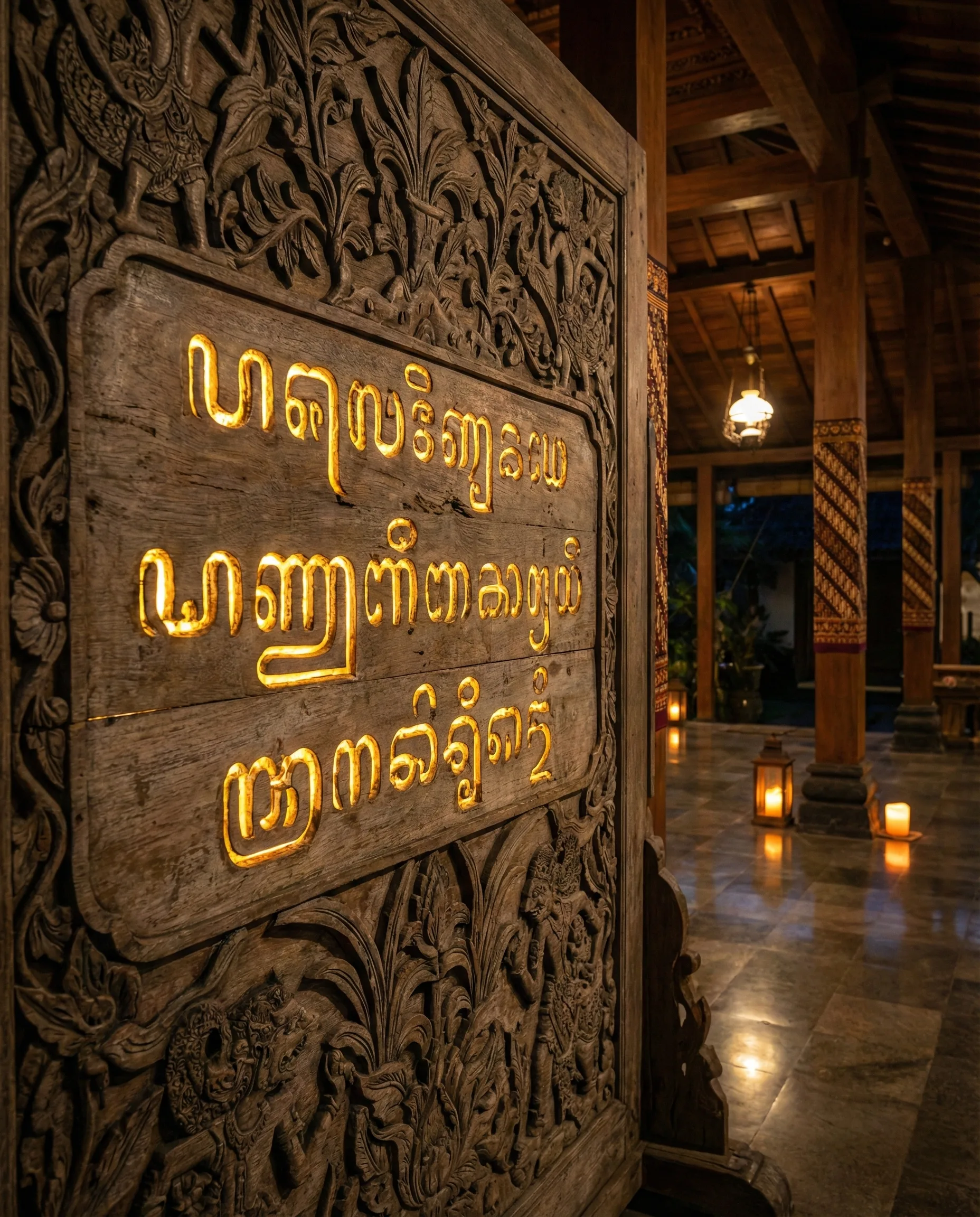
Convert Latin → Aksara Jawa, ready to use.

JavaSense: Sense, Logic, and the Map of the Soul

Sense & Awareness
How do you explain the sweetness of sugar to someone who has never tasted it? True knowledge is not only read - it is experienced. JavaSense is not just about “knowing”, but growing awareness: recognizing your patterns, keeping balance, and making clearer decisions.
Five Elements
Javanese tradition maps the self through five elements: Metal, Water, Wind, Fire, and Earth. This is not mysticism - it’s a simple way to reflect on energy, emotion, and self-control.
Momentum
Many people feel exhausted not because they lack effort, but because they don’t know the right “container” and the right “time”. Weton is an ancient algorithm for reading momentum - when energy supports a big step, and when it’s time to sumeleh (rest) so you don’t fight the current.
JavaSense is not fortune-telling - it’s a reflection map for a more aware life.

Kawruh & Blog

Kawruh is the knowledge hall. Blog is modern notes, updates, and reflections.

Latest 5

Why JavaSense

Not fortune-telling. A reflection tool to understand yourself through weton, wuku, and the Javanese time cycle. The goal is simple: clearer decisions, calmer responses, more aligned living.

Demystify
Weton/primbon are read as cultural systems & patterns - not magical certainty.
Depth
Focus on combinations & context for more precise interpretation.
Privacy
Lightweight design, minimal data, comfortable for daily use.
JavaSense App
Carry Ky Tutur in your pocket: deeper analysis, mindful reflection, daily guidance, and good-day finder.
Premium (in-app)
  • Deeper, personal weton analysis
  • Career/work reflections based on weton
  • Awareness practice: prompts + affirmations + sound
  • Daily guidance notifications
  • Good-day finder for events
Premium • Play Store — Coming Soon
Editor note: Weton is cultural wisdom for reflection, not certainty. Results are general and do not replace professional advice.

FAQ

Frequently asked questions - so you can use the system calmly and consistently.

What is the Java Calendar (Kalender Jawa)?

The Java Calendar is more than dates - it’s a way of reading time with meaning.

It combines saptawara (7-day cycle), pasaran/pancawara (5-day cycle), and wuku (30 weeks / 210 days) within the pawukon cycle.
It also carries Pranata Mangsa, a seasonal guide that follows nature’s rhythm.

How do you calculate weton?

Weton is formed by pairing day (saptawara) with pasaran (pancawara). Each has a numeric value called neptu:

neptu (day) + neptu (pasaran) = weton

Then the reading follows a chosen pakem. For the fastest result, use Cek Weton.

What is weton for - beyond tradition?

Weton can be used as a reflection mirror, not a fate verdict:

  • to notice your inner patterns (how you think, respond, and connect),
  • to recognize personal strengths you can grow,
  • to see edges and challenges you should manage wisely,
  • to cultivate awareness - so you act with intention, not impulse.

Think of weton as a gentle guide back to clarity.

What’s the difference between weton and wuku?

Weton: a pairing of saptawara + pasaran/pancawara, often used for personal reflection and tradition-based readings.

Wuku: a part of pawukon (30 weeks / 210 days), often treated as a weekly “theme” or character.

Why is neptu important?

Neptu acts like the “core key” in many calculations.

Depending on the pakem, it becomes the base for compatibility readings, choosing an auspicious day, moving house, and other life moments - kept consistent through numbers.

How do I check relationship compatibility?

Calculate each person’s weton, combine the neptu values, then interpret using a pakem.

For a practical shortcut, use Cek Jodoh.

What is Pranata Mangsa?

Pranata Mangsa divides the year into 12 mangsa.

Historically, it helped people align their work - especially farming - with seasonal signs and natural timing.

Is the Java Calendar the same as Hijriah or Masehi?

No. Kalender Jawa developed from a blend of Saka, Hijriah, and local tradition.

Conversion to Masehi is used mainly for modern-day reference.

When does the day change according to pakem?

In some pakem, the day changes after sunset (maghrib) rather than at midnight.

Because practices vary by family or region, consistency is what keeps results stable.

I don’t know my pasaran - can it be generated automatically?

Yes. Enter your Masehi birth date in Cek Weton, and the system will show day, pasaran, neptu, and wuku.

Are the results absolute?

No. Primbon interpretations are cultural wisdom for reflection - not a fixed rule, and not a substitute for personal judgment or professional advice.

Use it as a light - never as a chain.